

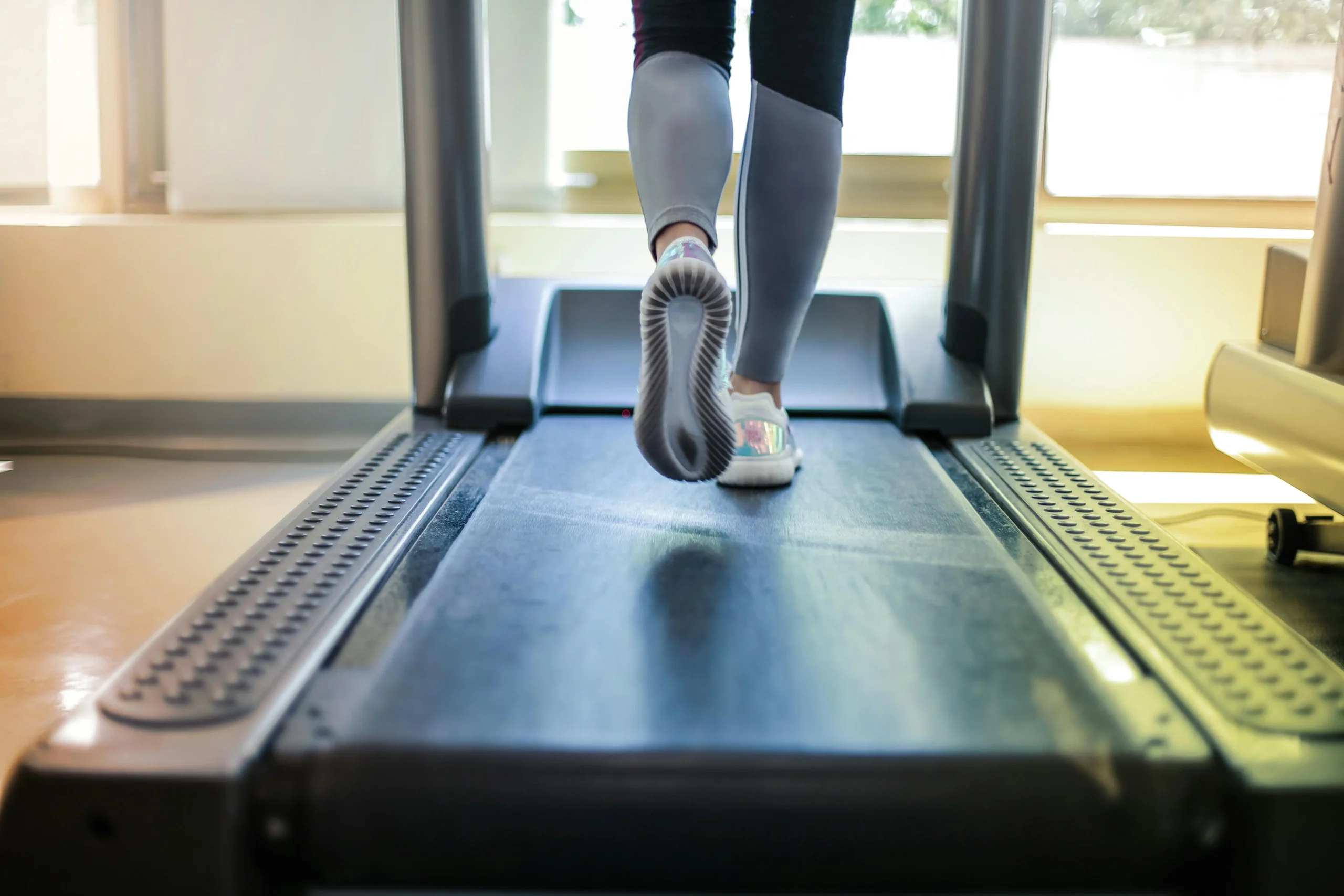
Walking pad treadmill use is surging as remote work and compact home office setups change our approach to fitness. If you want a realistic guide to buying, using, and getting the most from your walking pad treadmill, you’re in the right place-along with a clear look at what the market and real users say works (and what disappoints).
Key Takeaways
- The walking pad treadmill market is booming, driven by demand for compact, foldable designs and remote work fitness.
- Common pitfalls include concerns about durability, unclear noise levels, and lack of long-term reliability data.
- Buyers should prioritize real specifications (speed, motor, features) over just aesthetic trends, and check for updates on warranty details.
The core concept
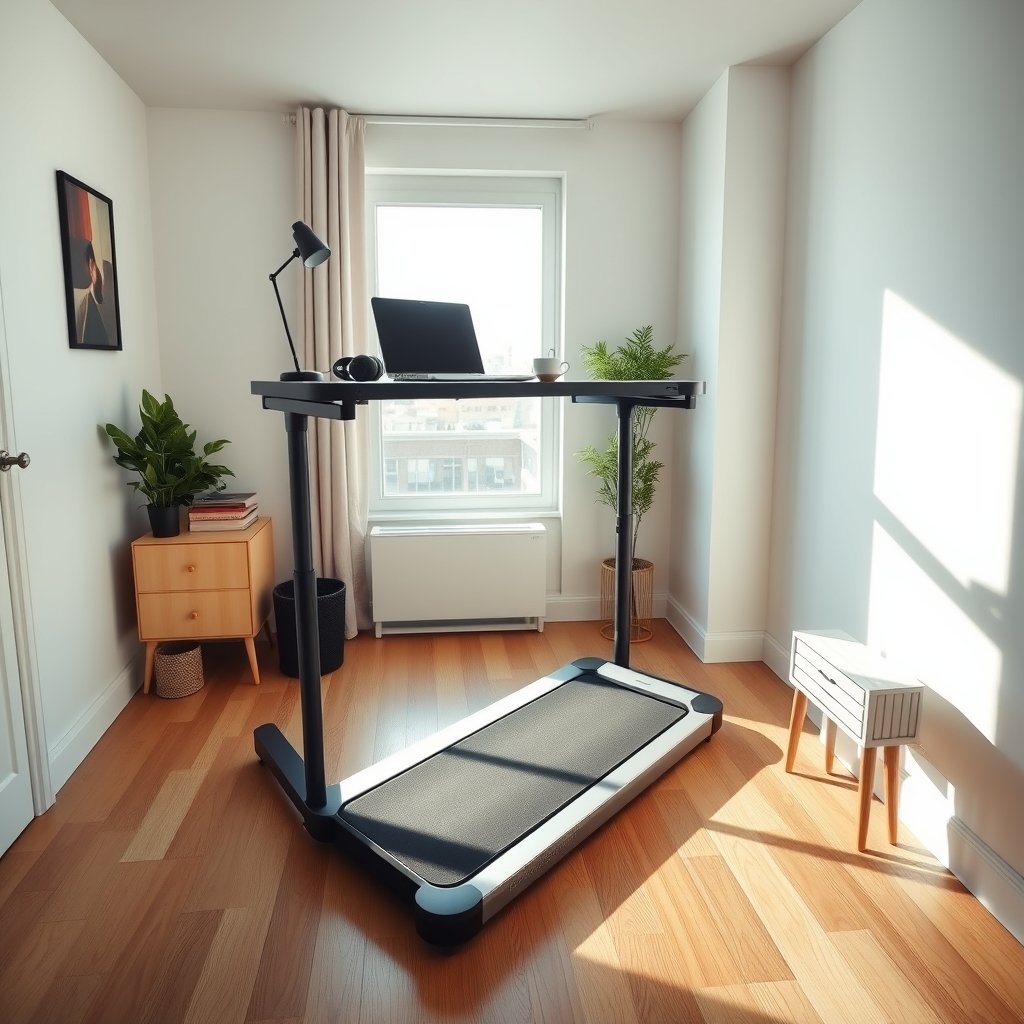
Walking pad treadmills are compact, portable treadmills designed mainly for home use and under-desk walking. Their appeal comes from being space-saving, affordable, and simple to store, making them ideal for remote workers who want more movement during the workday, or anyone living in tighter spaces where a regular treadmill won’t fit. The growing focus on health and workplace productivity-confirmed by the fact that walking pad searches jumped 98% year-over-year to 1.7 million per month (source)-explains why demand is peaking. Residential buyers currently drive 62% of total sales.
Step-by-step guide
Looking to buy and use a walking pad treadmill? Here’s a realistic, practical sequence to maximize your investment and avoid regret.
- Pro Tip: Always check the real folded and unfolded dimensions to be sure your walking pad truly fits in your workspace or storage area. Don’t trust stock photos-ask for actual sizes.
- Hacks & Tricks: Place a thin anti-vibration mat under your walking pad treadmill to reduce movement noise. This is especially effective for upstairs apartments or shared office floors, even if the machine doesn’t advertise “silent” operation.
- Assess your space and priorities. Measure your available floor and storage space for both folded and unfolded treadmill states. Folded walking pads are most popular for a reason—users need genuine portability. Most options are designed for storage under couches or beds, but double-check measurements.
- Decide on top features needed. If you want more than just walking, confirm speed range (2.5 to 8.6 mph is average). Decide if you prefer app integration, real-time fitness tracking, or virtual coaching (source).
- Set your budget realistically. Expect to pay $150–$200 for a dependable walking pad treadmill. Models with more robust motors, shock-absorbing decks, or better displays may go higher.
- Check real user reviews for reliability feedback. With durability being a known concern, focus on feedback mentioning months of regular use. Walk away from models where reviews cite frequent breakdowns or weak customer support.
- Plan for setup and proper use. Lift the pad using your legs, not your back—these machines are lightweight compared to gym treadmills, but still can weigh 50 pounds. Set up the device on a flat surface, and if possible, keep your power outlet accessible for quick resets.
- Optimize your work-walk routine. Start at a slow speed for typing, and schedule meetings during your “active” walking time.
- Maintain the device. Clean the belt and check its alignment every few weeks. Lubricate as directed in the user manual.
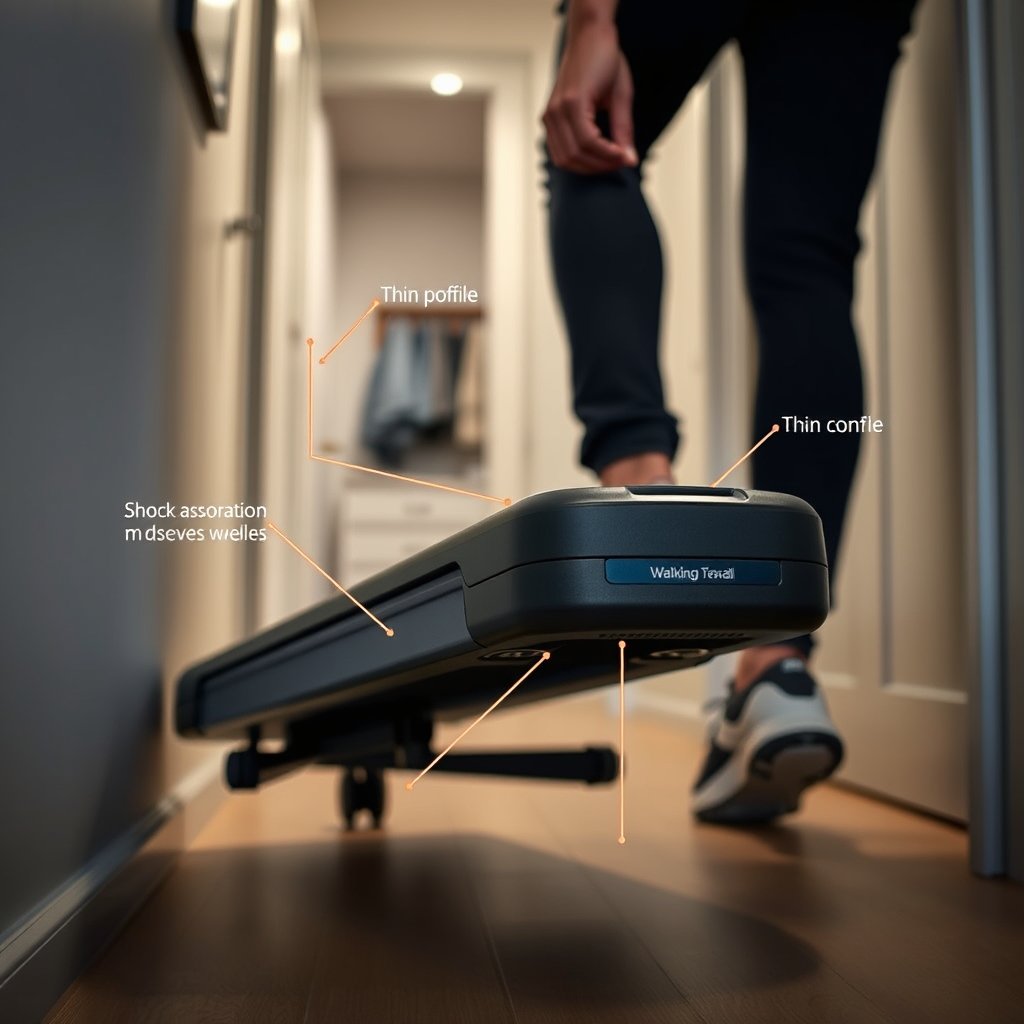
- Track your fitness with built-in smart features. Make use of app connectivity to log your sessions, calories burned (expect 200–300 per hour), and progress. This boosts motivation and provides a snapshot of your increased activity over time.
- Store properly after use. Wipe away any sweat or debris before folding and storing away. For shared living spaces, alert roommates when you’ll be using the walking pad treadmill if noise could be a concern.
Still comparing walking pads to traditional treadmills or under-desk use options? See our resource on under-desk treadmill vs walking pad for an in-depth breakdown.
If you’re looking for a curated list of the best models researched by user experience, check out best foldable walking pads.
Advanced analysis & common pitfalls
The walking pad treadmill category is not without downsides. Market data and user reviews highlight what can go wrong—and where you should be especially cautious before buying or during long-term use.
- Durability is the top user complaint. Multiple sources cite uncertainty about longevity, with breakdowns more common in lower-priced models. After-sales support is often inconsistent, and warranties are not always clear (source).
- Unknown noise levels may be an issue. Despite “silent” marketing claims, there is little public decibel data. For shared offices or apartments, even small noise increases could matter.
- Long-term health and productivity benefits still lack peer-reviewed studies. While Garmin reports a 7% global increase in walking activity, real studies comparing sitting, standing desks, and walking pad treadmill setups are not widely available.
- Incomplete product details from most sellers. Most don’t publish real user weight capacity, specific folded dimensions, or independent performance tests—buyers must research carefully.
| Aspect | Walking Pad Treadmill | Traditional Treadmill | Under-Desk Treadmill |
|---|---|---|---|
| Average Price | $150–$200 | $500+ | $200–$350 |
| Max Speed | 8.6 mph | 12 mph or above | ~4 mph |
| Storage | Foldable, under bed/couch | Not portable | Fits under most desks |
| Smart Features | App tracking, coaching, auto modes | Sometimes | Basic |
| Motor Power | Often 2.25HP | 2.5HP+ | 2.25HP typical |
| User Weight Limit | Unclear (100–220 lbs est.) | 300 lbs+ | 220 lbs typical |
| Noise Level (dB) | Not published | Varies (info available) | Not published |
Be sure to review warnings for each model on our walking pad market trends report updating quarterly.
Conclusion
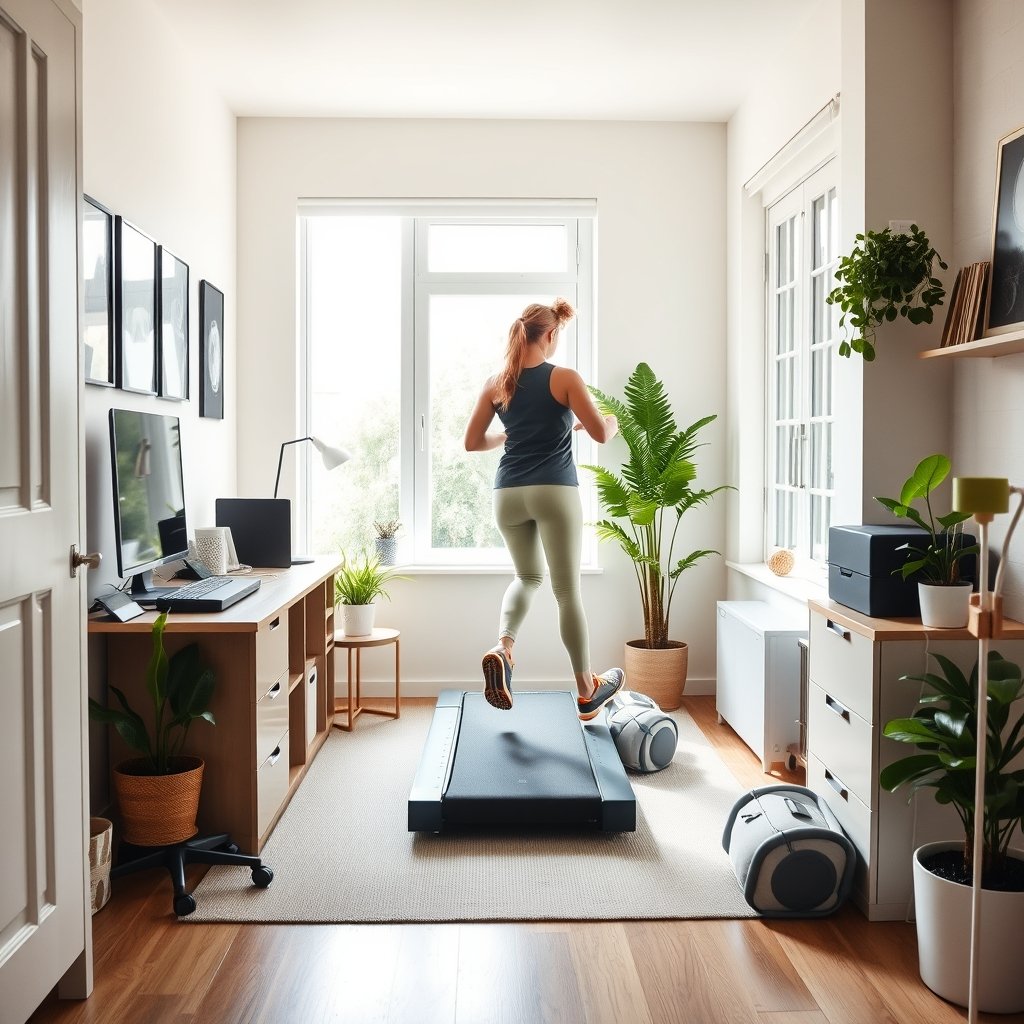
The walking pad treadmill market is fast-growing for good reason: it delivers a flexible, space-saving way to stay active at home or in the office. Be aware, though, that not all models are equally durable or quiet, and real warranty clarity is lacking for now. If you want to get healthier and keep moving despite a busy schedule, there’s never been a better time to invest in a walking pad treadmill — just take the time to choose wisely, set it up with care, and use smart features to keep yourself on track. Ready to move more every day? Explore our latest reviews and make your next steps count.
FAQ
Are walking pad treadmills durable enough for daily use?
Durability varies by brand and model. Many users report reliable operation for six months or more, but complaints about cheap frames, loose belts, or inadequate support are not uncommon with ultra-budget options. Check independent reviews before purchase.
How noisy are walking pad treadmills during operation?
No standardized decibel ratings are published. Many units are described as “quiet,” but actual noise can range from a soft hum to noticeable whirring. Using a vibration mat may help reduce transmission to floors for upstairs or office settings.
What kind of fitness results can I expect?
If used regularly at a moderate pace, expect to burn 200–300 calories per hour. Benefits also include improved energy and more standing time during the workday.
Do walking pad treadmills support heavier users?
Weight limits usually range from 200 to 220 lbs, though this is not always published up front. If you need higher capacity, consider checking user manuals or manufacturer support before buying.
Can I use a walking pad treadmill with my standing desk?
Yes, many models are designed specifically for under-desk use and will slide easily under standard height desks, especially adjustable ones. Just be sure to check both the pad and desk height specifications for comfort.