

ai workout planner apps are transforming how people design, adapt, and stick to fitness routines in 2024. With cutting-edge artificial intelligence, these tools create truly customized, data-driven workout plans for users at every fitness level. But are they really better than traditional methods? This guide explains what makes AI workout planning unique, how to use it, and what to watch out for before you ditch your old routine.
Key Takeaways
- AI workout planners use real-time data and machine learning to create highly personalized routines.
- Market adoption is skyrocketing, but users should be aware of potential limitations and the need for human oversight.
- Careful feature comparison and smart usage can help you get the most value — often for a fraction of the cost of personal training.
- What Is An AI Workout Planner And Why Use It?
- Step-by-step Guide: How To Get Started With An AI Workout Planner
- Advanced Analysis & Common Pitfalls
- Conclusion
- FAQ
What Is An AI Workout Planner And Why Use It?
An AI workout planner is a digital tool powered by artificial intelligence that creates and adapts personalized exercise routines based on your goals, fitness level, progress, and real-time feedback from wearables. Unlike traditional apps or static paper plans, AI planners constantly track your workouts and health data to optimize your exercise prescription each day.

In 2024, the rise of AI in fitness isn’t just hype — it’s backed by rapid global adoption and major market growth. The fitness app market is valued at $10.6 billion and is expected to triple by 2033, with over 345 million users and 850 million app downloads last year alone. [Source] More than ever, people are demanding truly personalized routines, not cookie-cutter programs.
What sets advanced AI workout planners apart? Their core strengths are:
- Daily personalization — Adapts your workouts based on actual progress, fatigue, and performance data, often using info from devices like Apple Watch or Garmin.
- Holistic tracking — Integrates sleep, nutrition, activity, biometrics, and even glucose data (like Dexcom) for a full health profile.
- Live feedback and motivation — Provides instant adjustments and nudges based on current pace, heart rate, or power output, which static plans simply can’t offer.
- Behavioral analysis and gamification — Uses rewards, milestones, and sometimes social networking to keep users engaged and progressing.
If you want more on integrating fitness into tight spaces or home routines, see our guide on the walking pad treadmill for practical tips.
Step-by-step Guide: How To Get Started With An AI Workout Planner
Ready to try an AI workout planner? Whether you’re new to working out, coming back from a break, or a seasoned athlete seeking an edge, the process is straightforward:
- Research & select your AI planner. Look for features like adaptive workout scheduling, integration with your devices (Apple, Garmin, WearOS), real-time feedback, meal/nutrition tracking, and proven results. Apps like Zing Coach, Runna, Bevel, and Kotcha are leading examples.
- Create your profile and enter your goals. Be as specific as possible about what you want to achieve: muscle gain, cardio endurance, fat loss, or improved flexibility. The more data you provide (age, weight, exercise history, medical limitations), the safer and more effective your plan will be.
- Integrate your wearable and health data. The best AI planners pull from sleep, heart rate, steps, nutrition, and even continuous glucose monitors for all-around optimization. Some even adjust workouts based on last night’s sleep or today’s stress levels.
- Follow the evolving daily plan. Log your sessions honestly, rate difficulty, and take advantage of live in-app cues or coaching. The AI adapts over time to keep you progressing, whether you’re traveling, stuck at home, or ramping up intensity.
- Export data or integrate with your home gym equipment. Many apps can send workouts to smart treadmills, bikes, or sync with your fitness device ecosystem. For compact strength routines, consider using an adjustable dumbbells set for extra versatility.
- Regularly check your progress. Most AI apps offer weekly reports, goal reviews, and motivational nudges for adherence. Don’t ignore feedback, especially around recovery needs or performance plateaus.
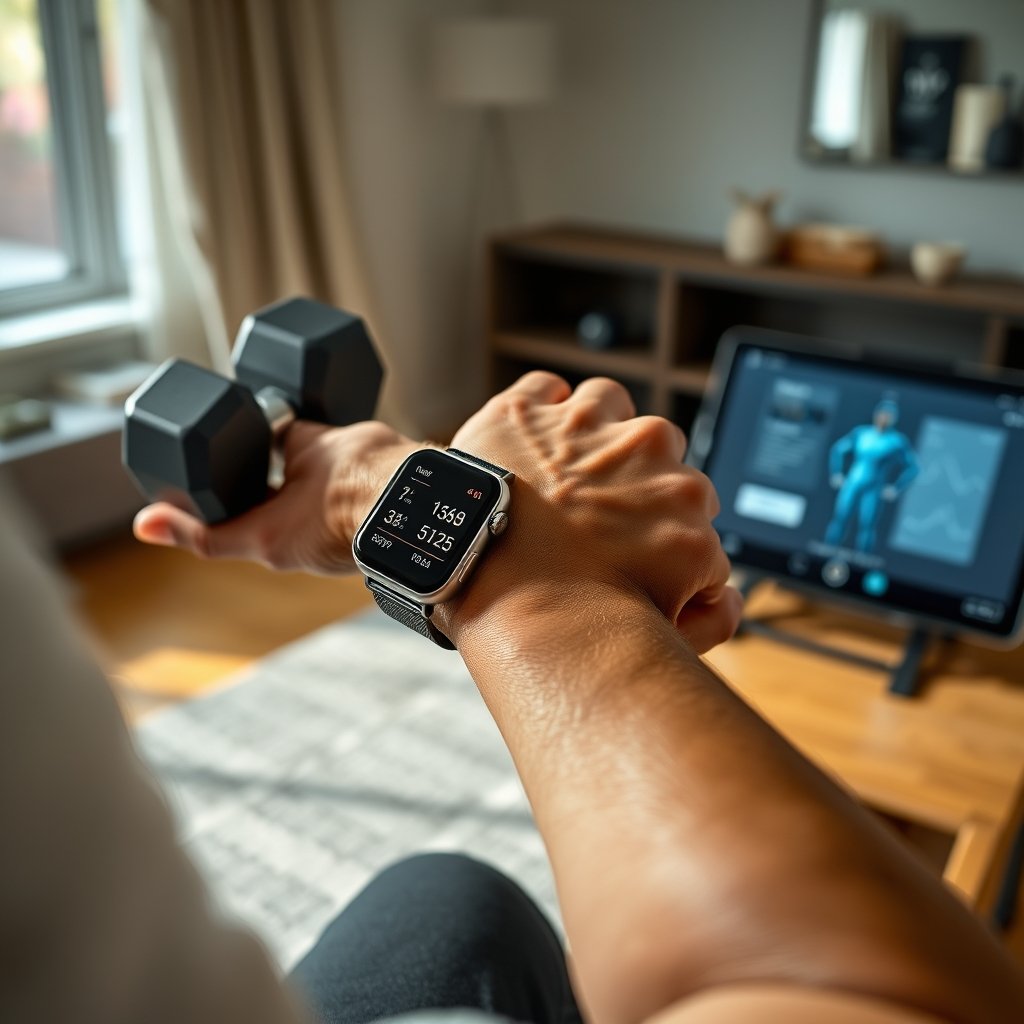
Typical costs vary. For example, Zing Coach advertises annual savings of over $2,000 compared to live trainers, even though exact subscription prices may differ. You may find quality services for as little as $10–$25 per month, but be alert for feature restrictions on free plans. Most let you trial premium features before committing.
If your main goal is muscle building at home, supplement your AI plan with progressive overload techniques and see our proven guide for the best ways to use adjustable dumbbells.
Advanced Analysis & Common Pitfalls
AI workout planners are a powerful tool, but they’re not a magic fix. Here’s what to watch for, based on real user reports, market studies, and expert analysis:
- Lack of fine-tuned customization: Not all AI planners allow enough input for medical needs, injuries, or non-standard goals. Advanced platforms are better, but most competitors still lack deep customization.
- No true “coach” or accountability: Motivation is still up to you. While AI can offer reminders and nudge messages, some users miss the human support of a trainer or workout partner.
- Technical hiccups with wearables/data sync: Glitches in syncing, battery drains, or missed workouts can “confuse” the algorithm, resulting in off-target plan suggestions.
- Potential over-reliance on quantitative metrics: Metrics like steps, calories, or heart rate are helpful, but don’t tell the full story for every body, especially in special cases (post-injury, etc).
- No one-size-fits-all pricing: Exact costs for premium AI app features remain unclear, and while subscription models undercut in-person trainers, you may need multiple apps for complete coverage.
- Limited peer-reviewed evidence: One major market study found AI programs improved adherence by 71% and boosted fitness goal achievement by 40% compared to non-AI plans (source), but direct head-to-head studies with human trainers are rare.
| Feature | AI Workout Planner | Traditional Planner |
|---|---|---|
| Personalization (Daily) | Dynamic, adjusts based on live data | Static, changes only when you edit plan |
| Integration with Devices | Full — wearables, apps, nutrition inputs | Usually manual entry, limited scope |
| Motivation & Feedback | Real-time cues, gamification, progress tracking | Minimal — rely on self-motivation |
| Typical Cost | $10–$25/month (est.), less than in-person training | Often free or one-time manual purchase |
| Common Downsides | Potential generic programming, oversights in edge cases, technical issues | Hard to adapt quickly, risk of plateau, time-consuming to adjust |
No major user complaints around app security or privacy appeared in recent research but always check privacy policies and data-sharing practices—especially for apps sharing health data across devices.

Conclusion
AI workout planners are already changing the fitness tech landscape. If you want daily personalization, dynamic motivation, and the best shot at long-term progress, an AI workout planner is your most practical choice for 2024. Just know the drawbacks: not every platform fits every need and true 1:1 coaching is still hard to replace.
To get the best results, combine AI-driven scheduling with proven home gym tools like a walking pad treadmill or adjustable dumbbells set.
Ready to take control of your routine? Try an ai workout planner now and experience smarter, more consistent progress — no matter your fitness level. Start your plan, connect your data, and see why millions are making the switch.
FAQ
Are AI workout planners as effective as human personal trainers?
While AI planners offer excellent adherence and can adapt your routine with real data, they lack the individualized coaching, accountability, and nuanced support a qualified trainer provides. Studies show a 71% improvement in workout consistency with AI, but for complex needs, human input is still valuable.
Is my personal data safe with AI fitness apps?
Most leading apps follow strict privacy practices, but not all policies are equal. Always review any platform’s privacy policy and be careful what you choose to share, especially sensitive health data from wearables or biosensors.
How much does an AI workout planner cost?
Most premium AI fitness apps charge $10–$25 monthly or offer discounted annual plans. This is usually far less than a traditional personal trainer, but always check which features are locked behind paywalls or “pro” versions before subscribing.
Can I use an AI workout planner if I have unique needs or injuries?
Some AI planners let you note preferences, limitations, or injuries — but not all offer deep customization. If you have ongoing medical needs or a complex history, double-check the app’s support features or consult a trainer before relying on it fully.
What’s the main advantage of using an AI fitness app over a regular workout app?
The main advantage is real-time adaptation — the plan changes as you do, offering live feedback and easier progression, rather than forcing you to manually adjust everything yourself.