

Incline treadmill workout plans like the viral 12-3-30 protocol promise significant fat-burning and low-impact cardio benefits, but does the clinical research back the hype? This guide explains the science, real user risks, practical progressions, and expert tweaks to get results safely—without high-impact running or spending a fortune.
Key Takeaways
- The 12-3-30 incline treadmill workout burns a higher percentage of calories from fat than self-paced running, operating mainly in the fat-burning zone 2 heart rate range.
- Not everyone should jump straight into 12-3-30—joint concerns, inexperience, or poor recovery are real risks, so gradual progression and proper form matter.
- Current research proves acute fat metabolism benefits, but long-term fat loss and cost comparisons remain unstudied; pair workouts with solid nutrition and recovery plans.
- What is the 12-3-30 and why it went viral
- The science — incline walking vs flat/running for fat loss
- Calorie burn & time trade-offs — 12-3-30 vs running, traditional incline and HIIT
- Who should avoid or adapt the 12-3-30 (contraindications & common complaints)
- Injury risks specific to incline treadmill workouts and how to minimize them
- Practical progressions and modifications (beginners, joint-sensitive, older adults, time-crunched users)
- Sample weekly plans by goal and time availability
- Realistic expectations — when will users see results?
- Cost & accessibility in 2024 — what readers should expect and how to save
- FAQs and myth-busting
- Bottom line + action checklist
What is the 12-3-30 and why it went viral
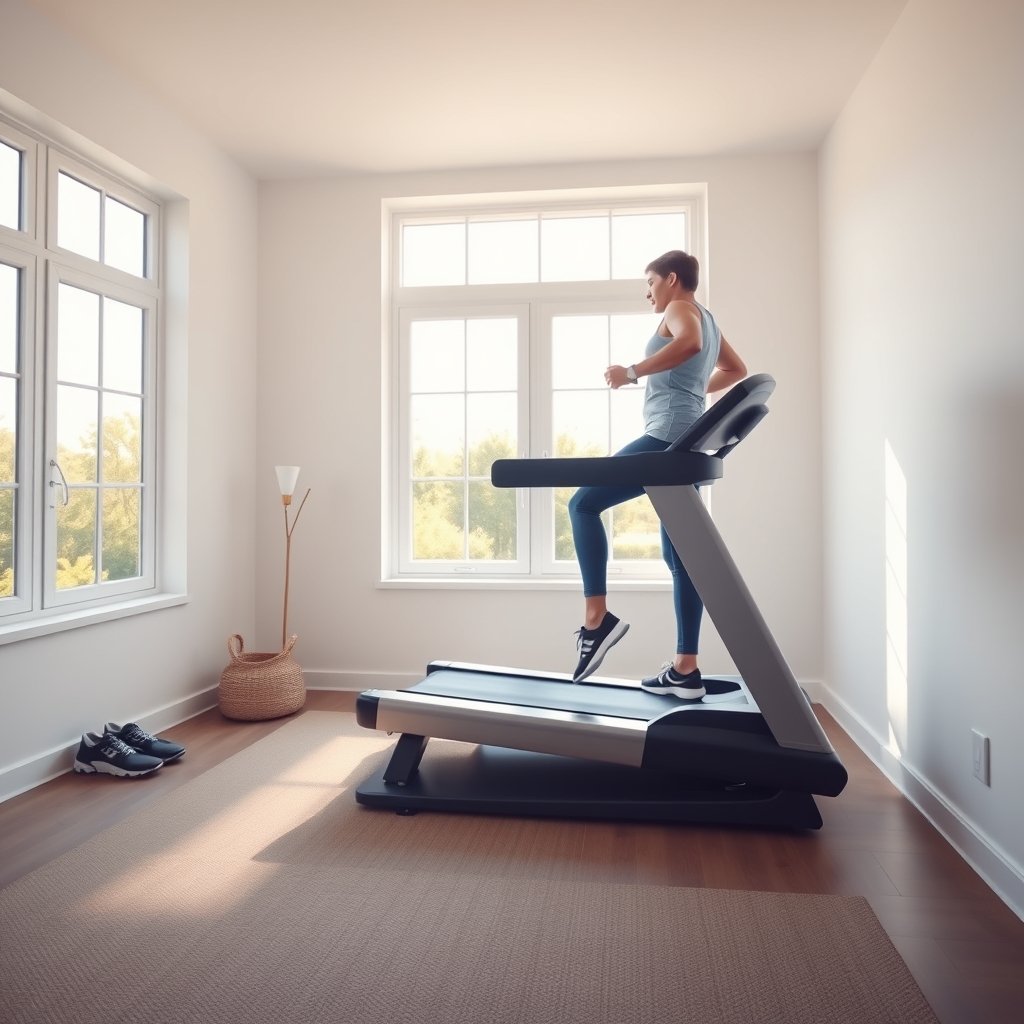
The 12-3-30 workout—walking at a 12% incline, at 3 mph for 30 minutes—became a viral treadmill routine after a creator shared major fat-loss claims on social media. According to cited research in Runner’s World, this approach stands out for making higher-intensity walking accessible to people who cannot run, all while keeping impact lower and perceived effort steady. The protocol’s straightforward numbers (12, 3, 30) made it instantly sharable—millions have since adopted the incline treadmill workout for home and gym fat loss.
The science — incline walking vs flat/running for fat loss
Clinical trials show performing a 12-3-30 incline treadmill workout leads to a higher percentage of calories burned from fat (about 40%) compared to self-paced running (about 33%) when matched for total calorie burn [source]. This means the body uses more stored fat for energy at incline walking speeds, largely due to “zone 2” exertion (65–75% of max heart rate). According to biomechanical studies, walking at a 10% incline increases metabolic cost by 113% versus flat walking—allowing you to maximize effort without joint strain from running. Incline treadmill workouts are especially effective for fat utilization and can suit people seeking steady, moderate-intensity solutions over high-impact or all-out sprints.
Calorie burn & time trade-offs — 12-3-30 vs running, traditional incline and HIIT
Acute research shows running expends the same number of calories as the 12-3-30 incline treadmill workout but in roughly 23 minutes instead of 30. So you burn calories faster running, but incline walking shifts the balance toward fat-burning rather than carbohydrate reliance. Importantly, there’s no good data yet comparing 12-3-30 directly to HIIT intervals, and claims that uphill walking can burn “up to 70% more fat” than flat running lack thorough research backing in available studies.
| Workout Type | Duration for Similar Calories | Fat Utilization (%) | Impact Level |
|---|---|---|---|
| 12-3-30 (Incline Walk) | 30 min | ~40% | Low–Medium |
| Self-paced Running | 23 min | ~33% | High |
| Flat Walk (3mph) | 30 min | ~20–30% | Low |
| HIIT Treadmill | (Data Missing) | (Data Missing) | Varies |
Who should avoid or adapt the 12-3-30 (contraindications & common complaints)
Research and expert guidelines flag the 12-3-30 viral treadmill routine as not suitable for beginners, or for people with existing knee, back, or significant joint problems [source]. Reported complaints include excessive muscle soreness, adherence difficulties, and strain for those unaccustomed to inclines. Key red flags where you should adapt or stop include:
- Sharp or lasting pain (especially knees, lower back, hips, ankles)
- Feeling lightheaded or unable to hold a conversation (too intense for fitness level)
- Existing injury or new onset of joint swelling
- Chronic fatigue or interrupted recovery after several sessions
Instead of diving straight in, consider a phased approach—especially if transitioning from flat walking or if you have mild sensitivity in your joints or lower back.
Injury risks specific to incline treadmill workouts and how to minimize them
Higher treadmill inclines increase mechanical demand on knees, calves, Achilles tendons, and especially the lower back if posture slips. Clinical advice recommends that beginners stay below 12% incline initially (source). The majority of training injuries are preventable by building up time and grade cautiously.
- Wear proper running/walking shoes (support, cushioning, grip)
- Focus on posture—stand tall, engage core, avoid leaning or holding handrails
- Start at 4–5% incline, 10–15 minutes per session, and add 2% and 5 minutes every two weeks, especially if new
- Always include a 5-minute flat warm-up and cool-down
- Rest and stretch after incline days
- Stop immediately if joint pain or nerve symptoms appear
- Consult a trainer or physiotherapist for persistent problems
Additional low-impact options, like a walking pad treadmill routine, may help those with physical limitations stay active.
Practical progressions and modifications (beginners, joint-sensitive, older adults, time-crunched users)
Clinical sources recommend a beginner-friendly ramp-up: start with 10 minutes at 4% incline once each week. After one month, add 2% incline and five minutes every two weeks if tolerated without pain. For higher fitness or less joint concern, try:
- Intermediate (joint-tolerant): 12% incline at 3 mph for 15–20 minutes, increase duration over 3–4 weeks.
- Interval Progression: Alternate 5 minutes at 8–10% incline with 2 minutes flat, 3–4 cycles/session.
- Joint-sensitive/low-back history: Use manual treadmills or walk outdoors on moderate hills; opt for 5–7% incline, 10–20 minutes.
- Older adults or high BMI: Maintain lower grades, focus on quality movement, shorter bouts; try mobility routines for hips to aid recovery.
- Time-crunched user: Compress to 15–20 minute sessions at 10–12% incline OR split into 2×10-minute bouts daily.
Monitor exertion using perceived effort (6–8/10, where 10 is all out) or aim for heart rate 65–75% of maximum (“zone 2” fat burning).
Want an even lighter option at home? Many compact treadmills or under-desk walking pads offer moderate incline settings, fitting the same progression logic with less space and cost.
Sample weekly plans by goal and time availability
Available studies confirm acute fat-utilization advantages, but lack data for longitudinal fat loss from 12-3-30 or related programs. Use the following evidence-informed, progression-based plans as starting points—adjust for your experience, recovery, and risk level.
-
Beginner:
- Mon, Fri, Sun: 10–15 min @ 4–6% incline. Increase by 2% and 5 min every 2 weeks as tolerated.
- 5-minute flat walk warm-up, 3-minute cool-down.
-
Fat-loss steady-state:
- Mon: 20 min @ 10% incline
- Wed, Fri: 12-3-30 OR 20 min @ highest tolerable incline
- Sun: Outdoor hill walk or alternate treadmill interval day
- Warm-up/cool-down, and take a full rest day if sore.
-
Time-efficient blend:
- Mon, Sat: 15 min @ 12% incline
- Wed: 20-minute walk + 2×3 min HIIT treadmill intervals
- Thu: Optional full-body resistance or bands; see joint-friendly band workouts
If in doubt, start conservatively—there is no comparative research showing better long-term results from intensity over consistency and recovery.
Realistic expectations — when will users see results?
Current data supports short-term metabolic effects: the incline treadmill workout, and specifically the 12-3-30, increases the percentage of fat burned during and shortly after each session. However, there is no research delivering reliable timelines for visible fat loss. Clinically, combining these workouts with a modest calorie deficit and consistent nutrition habits, healthy adults may expect to lose 0.25–1 lb (0.1–0.45 kg) of fat per week, given appropriate intensity and adherence. Realistic progress means weeks to see measurable body composition change—track time, incline, and rate of perceived exertion in a workout journal.
For maximizing fat loss and preserving muscle, pair incline walking routines with strength training 2–3x/week. For home-based options, adjustable dumbbell routines fit these needs efficiently.
Cost & accessibility in 2024 — what readers should expect and how to save
No up-to-date 2024 pricing on gym memberships, home treadmills or walking pads is available in published studies. Based on product trends, monthly gym access can range from $20–$100 depending on location. Mid-range home treadmills cost $300–$1200+, while manual inclination treadmills are cheaper but require more user effort. To save money, walk steep hills outdoors or use compact-space options like a walking pad or incline adjustments on budget home treadmills. Ask local gyms about free trial periods, or buy used equipment as needed. If you have pricing data for your area, update your calculations for better planning.
Alternative or add-on equipment (resistance bands, adjustable dumbbells, mobility tools) provides cross-training opportunities without high recurring costs.
FAQs and myth-busting
Is incline walking better than running for fat loss?
Incline treadmill workouts like 12-3-30 burn a higher percentage of calories from fat (~40%) compared to running (~33%), but total calorie burn is similar. Results depend on total volume, consistency, and diet. See the science section for study links.
Will the 12-3-30 workout damage my knees or back?
Not if you progress gradually, use moderate inclines, maintain upright posture, and listen to pain signals. Avoid high inclines with existing joint or back issues—see risks and prevention above.
Can I combine the 12-3-30 workout with strength training?
Yes—combining 2–3x/week incline treadmill with 2x/week resistance (like adjustable dumbbells or bands) is ideal for preserving muscle while maximizing fat loss. Rest on alternate days as needed.
What if I only have 15–20 minutes to train?
Use shorter, slightly higher inclines (10–12%) or split into two walks of 10 minutes per day. Consistency beats duration if time is tight. See the sample plans above for options.
How do incline treadmill workouts compare to walking pads or compact treadmills?
Many modern walking pads offer incline features—while power and top grades may be lower, consistent moderate inclines on small-space treadmills deliver similar benefits for fat loss and joint protection. See our walking pad treadmill guide for setup and tips.
Bottom line + action checklist
Incline treadmill workouts—and especially the viral 12-3-30 routine—can unlock higher fat-burning for fitness-focused adults who need low-impact and straightforward cardio. But research shows these routines aren’t magic: progress comes from steady effort, careful pacing, and injury awareness. Monitor your workload, track progress, and always adapt for your own needs. Stay consistent, combine with a smart strength and nutrition plan, and adjust duration before chasing higher speeds or inclines.
- Best for: Fat-loss-focused adults who want lower impact than running, and can walk steadily for 20–30 minutes.
- How to start: Begin at 4–6% incline, 10 minutes, increase every 2 weeks.
- Safety: Check joint health, use proper shoes, film form, warm up/cool down.
- Progression: Bump incline and time gradually, not both at once. Use heart rate or RPE for guidance.
- Track: Log incline, time, and mood after each workout; monitor for pain.
- Results: Expect visible fat loss in several weeks if paired with sound nutrition. No crash diets.
- Call your doctor: If pain, swelling, or strange fatigue occur that does not improve with rest.

Ready to make a change? Use the incline treadmill workout as your foundation, keep it safe, and adjust to your own progress. Share your questions or join in with a friend for accountability!